
 English
  한국어
한국어
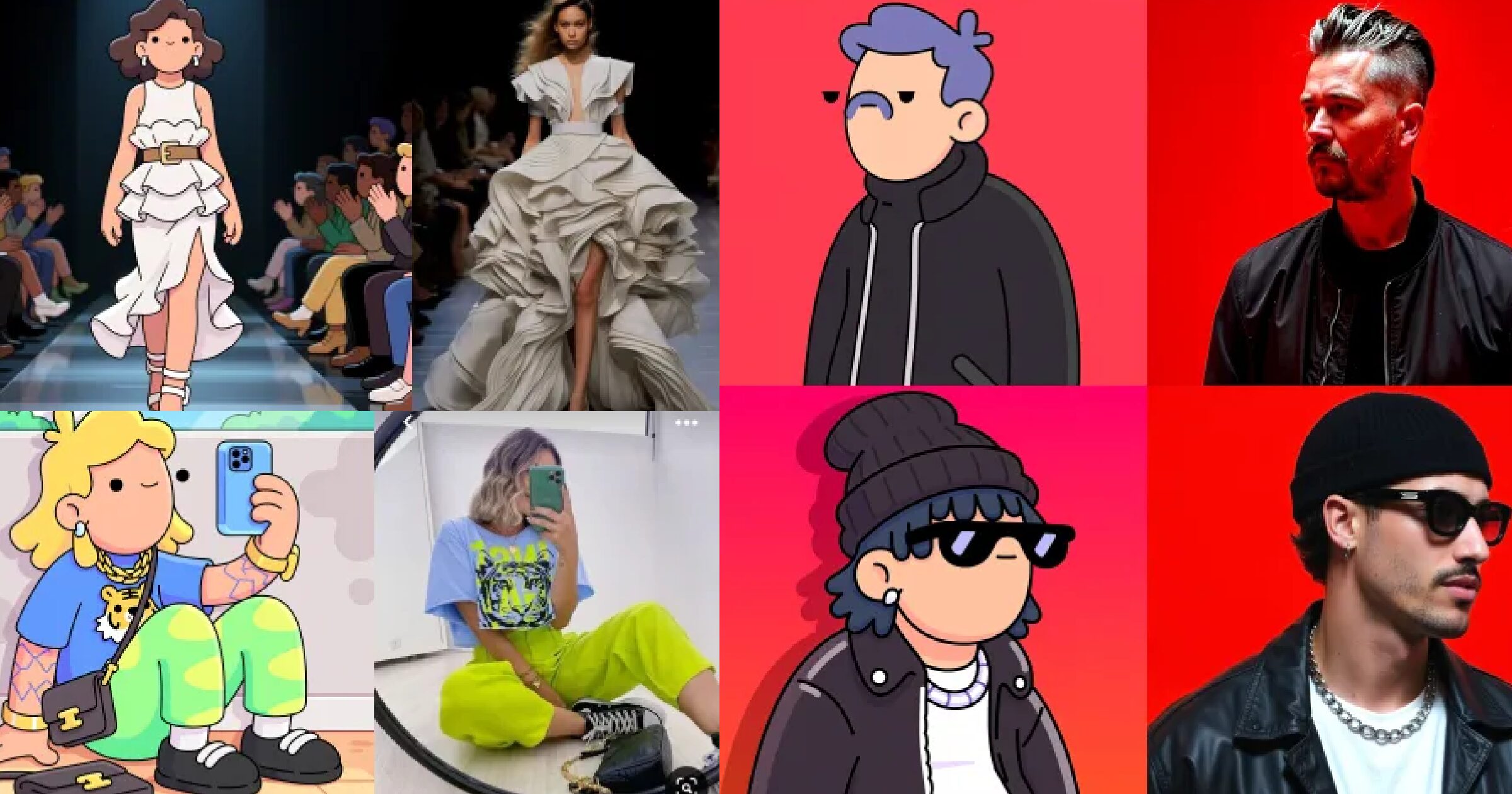
Doodle AI: A New Fusion of Art and Technology Based on Open Source
The relationship between art and technology has historically shown a fundamental tension of lack and abundance. Traditionally, the value of art has been associated with limited accessibility, while software and tools have symbolized abundance. However, the emergence of the Doodle AI project recently demonstrates that these philosophies do not necessarily have to collide, showing cultural resonance and commercial viability. This new trend will be further accelerated through Doodle AI.
Doodle AI is a representative example of an entertainment brand, Doodle, based on the unique pastel-tone works of Canadian illustrator Scott Martin (Burnt Toast). Doodle AI is based on a generative image model called PRISM 1.0, which allows users to reinterpret people and objects in Doodle’s distinctive visual language. SYSTMS, an AI studio, is responsible for engineering, utilizing open-source infrastructure to build custom creation pipelines through technologies like the node-based workflow tool, ComfyUI. This technological innovation further highlights the potential of Doodle AI.
Brand Co-Created with Community: A New Model of IP
Artists have traditionally protected intellectual property (IP). However, the Doodle AI team is exploring a new model where the community goes beyond being mere consumers of the brand and co-creates. Every image generated by the user strengthens the model, and user-generated content is incorporated into PRISM’s next-generation learning data through reinforcement learning. This means transforming users from mere customers into collaborators forming the brand’s visual DNA.
Commercial Success Driven by Open Source Tools: The Last 15% of Completion
Doodle AI provides strong evidence that open-source tools can support products with brand quality and commercial success. The SYSTMS team uses open-source tools in their raw form, prioritizing innovation and control. It is very meaningful that these tools are creating results that build brand loyalty, differentiating themselves from general platforms like MidJourney or Sora. This is the problem of raising the ‘last 15%’ of completion in creative AI, and that’s where true value lies. Doodle AI is a good example of what is possible when open-source workflows and professional creative guidance meet. The powerful node-based platform of ComfyUI is particularly well-suited to combining various open-source models, APIs, and tools to create applications that can be presented to consumers, and the SYSTMS team is exploring ways to open up this collaboration to a larger community.
Coded DNA: A Leap Towards the Future of the AI Industry
Doodle AI was launched with the image-to-image model PRISM 1.0 but has an ambitious roadmap, including 2D and 3D output generation, video with audio, real-time AR, and game applications. Providing initial Doodle AI users with 100 free generations is an intentional move to activate the community and encourage sharing of the platform’s results. The deeper meaning is to keep pace with the speed and scale of the entire AI industry. By creating with the community based on open-source infrastructure, Doodle AI is positioned to integrate its ‘coded DNA’ into future technologies that do not yet exist. This is based on the belief that openness – open source, open story, open creation – is not only philosophically appealing but also strategically sound. The success of Doodle AI is making this belief a reality.
Message to Artists: Ride the Wave of Change
Artists now see the boundaries between creation and consumption blurring, and open-source platforms like Doodle AI offer new possibilities. The question of whether open source will reshape the creative industry is no longer important. What’s important is riding the wave of change with Doodle AI and creating new opportunities. Going forward, Doodle AI will continue to provide inspiration and set new standards through the fusion of art and technology.
In-Depth Analysis and Implications
Array
Original Source: How Open Source Is Fueling the Open Story Movement — and a Financially Successful Future for Artists in the Age of AI